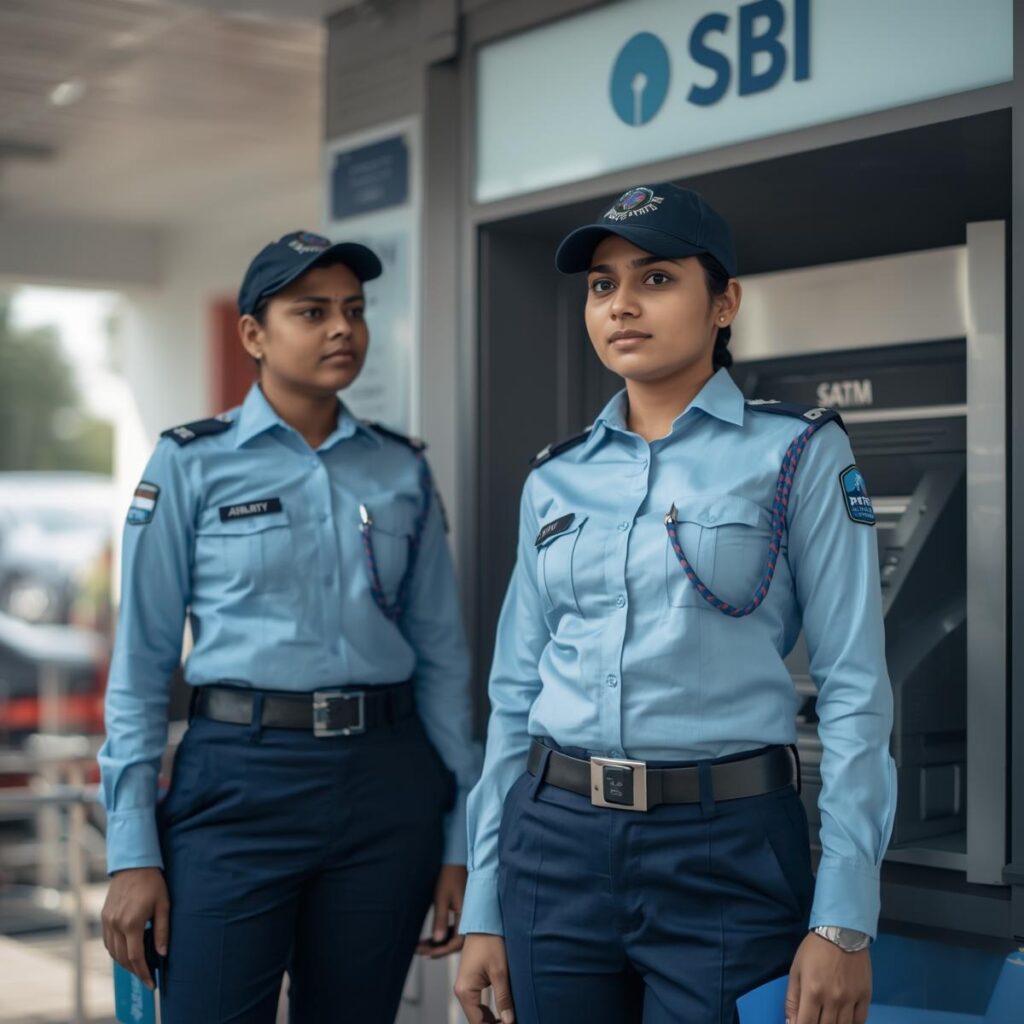
Bank & ATM Security
BANK & ATM SECURITY
Here’s a comprehensive overview of Bank & ATM Security, covering its definition, objectives, components, threats, and best practices — ideal for study, policy drafting, or training purposes.
 BANK & ATM SECURITY
 1. Definition
Bank & ATM Security involves all the protective measures, systems, and policies used to safeguard a financial institution’s people, assets, information, and operations against theft, fraud, vandalism, and cyber threats.
It ensures the safety of staff and customers, protection of cash and data, and the integrity of financial transactions.
 2. Objectives
Protect cash, assets, and sensitive data.
Safeguard employees, customers, and visitors.
Prevent theft, robbery, and fraud.
Ensure secure and reliable ATM operations.
Maintain public confidence in the banking system.
Support business continuity and regulatory compliance.
 3. Components of Bank Security
A. Physical Security
Protects people, property, and cash.
Security guards and patrols.
Access control (ID badges, biometric locks).
CCTV surveillance (tellers, vaults, ATMs, entrances).
Bullet-resistant glass and secured teller counters.
Vaults and safes with time-delay locks.
Intrusion alarms and panic buttons.
Metal detectors and baggage scanners at entrances.
B. Information & Cybersecurity
Prevents unauthorized access to digital systems.
Firewalls, antivirus, and intrusion detection systems.
Data encryption for online and ATM transactions.
Multi-factor authentication for users and staff.
Secure, updated banking software and networks.
Continuous monitoring for suspicious transactions.
Employee training to recognize phishing or cyberattacks.
C. Personnel Security
Focuses on the integrity and reliability of staff.
Background checks before hiring.
Strict access control by job role.
Regular security and fraud awareness training.
Rotation of duties and surprise audits.
Confidentiality agreements (NDAs).
Disciplinary action for policy violations.
D. Procedural Security
Banking processes designed to minimize risk.
Dual control and segregation of duties (e.g., vault access).
Secure cash handling and transfer procedures.
End-of-day reconciliation and record keeping.
Regular audits and security inspections.
Strict visitor control policies.
 4. ATM Security
A. Physical Security
Install ATMs in visible, well-lit areas.
Use CCTV cameras and motion sensors.
Secure ATM enclosures and anti-tampering designs.
Regular maintenance and inspection.
Employ security guards at high-traffic locations.
B. Electronic Security
Anti-skimming devices and card protection mechanisms.
PIN encryption during transactions.
24/7 monitoring of ATM network activity.
Remote disabling of compromised ATMs.
Regular software updates and patching.
C. User Awareness
Cover keypad when entering PINs.
Avoid help from strangers while using ATMs.
Report suspicious devices or behavior.
Use ATMs inside bank branches when possible.
 5. Threats to Bank & ATM Security
Armed robbery or burglary.
Insider threats and staff collusion.
Cyberattacks (malware, phishing, ransomware).
Card skimming and cloning.
ATM jackpotting (hacking ATM software).
Vandalism or physical tampering.
Fraudulent transactions and identity theft.
 6. Best Practices
Conduct regular risk assessments.
Integrate physical and cyber security systems under one command center.
Implement central alarm and CCTV monitoring.
Coordinate with law enforcement agencies.
Train employees and customers on fraud prevention.
Use AI-based surveillance and fraud detection tools.
Maintain disaster recovery and emergency response plans.
 7. Emergency Response Protocols
In case of an incident:
Activate silent alarms to notify authorities.
Lock down sensitive areas (vaults, cash rooms).
Evacuate customers and employees safely.
Preserve evidence (CCTV footage, access logs).
Conduct post-incident investigation and review policies.
 8. Summary
Aspect Bank Security ATM Security
Focus Entire branch, personnel, cash, and data Specific ATM machines and users
Main Threats Robbery, cyberattacks, insider fraud Skimming, tampering, physical theft
Key Tools CCTV, vaults, alarms, guards, firewalls Cameras, anti-skimming devices, encryption
Goal Protect bank operations and trust Protect user transactions and ATM assets